If you’re planning to upgrade your shop front, one of the first choices you’ll face is what material to use. And it’s not just a matter of looks. The material you choose changes everything—from how much you’ll spend and how long it’ll last to how customers see your business. Whether you’re opening a new shop or refreshing an existing one, your front says more than you might think. It sets the tone for your brand. It shows people what to expect. And it plays a part in whether someone walks past—or walks in.
There’s a lot of advice out there, but most of it circles back to the same three materials: glass, timber, and aluminium. Each one brings different strengths to the table. Each has its own challenges too. So how do you decide what’s best for your space, your brand, and your budget?
This blog breaks it down for you clearly and simply. No fluff. Just real information to help you move forward with confidence.
Key Differences Between Glass, Timber, and Aluminium
The material you pick affects everything about your shop front—how it looks, how it performs, how people feel about it when they walk by. That’s why it’s important to understand what makes each option different from the start.
Visual Appeal and First Impressions
Let’s talk about looks. Because when someone sees your business from the street, what they notice first isn’t the signage—it’s the frontage.
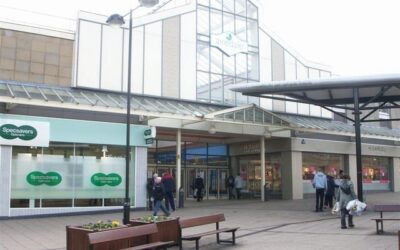
Glass shop fronts give you full visibility. People can see into your space before they step inside, which makes the place feel open and inviting. It’s especially effective if you’ve got products you want to show off—fashion, tech, furniture, food. A clean, all-glass front lets your displays do the talking.
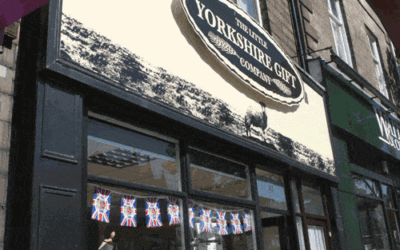
Timber fronts give a very different feel. They’re solid, warm, and often linked with heritage or boutique brands. If you’re running a café, a bookstore, or something traditional, timber can help you stand out by creating that classic, timeless vibe.
Aluminium sits somewhere between the two. You can pair it with glass to create a modern, sharp-lined shop front. It’s versatile enough to look bold and contemporary or subtle and professional. With powder coating, it can match pretty much any brand colour. The finish is clean, minimal, and built to last.
Strength and Durability
This is where the differences really start to show.
Glass might seem fragile, but shop front glass is toughened or laminated. It’s made to resist breakage and won’t shatter into dangerous pieces if it’s hit. Still, compared to timber or aluminium, it’s the most likely to need replacing after an impact.
Timber is naturally strong, but it doesn’t age as well as the others. Over time, wood can swell, rot, or crack if it’s not maintained properly. It’s sturdy when it’s looked after, but it doesn’t love the weather.
Aluminium is the winner here. It’s rust-proof, corrosion-resistant, and not affected by moisture or heat. It handles knocks and bumps better than most materials, and it stays solid for decades. It’s the best bet if you want something that lasts without fuss.
Customisation and Flexibility
You’re probably thinking about branding too. Colour, style, shape—it all matters.
Glass gives you the most visibility but not as much flexibility in shape. It’s sleek and clear, but it’s the frame (if you use one) that brings in the customisation.
Timber is great for detailed designs. You can carve it, paint it, and give it a completely unique look. But that comes with more maintenance and sometimes higher costs.
Aluminium is the most adaptable. It’s available in hundreds of colours with powder-coated finishes. You can go bold, understated, or somewhere in between. And because aluminium is light but strong, it’s easier to work with for creative layouts or larger spans.
Cost, Installation, and Maintenance Factors
Once you’ve got a feel for how each material looks and performs, the next thing you’re probably wondering about is the cost—not just what you’ll pay upfront, but what it takes to keep it going over time.
Upfront and Long-Term Costs
Glass is usually somewhere in the middle when it comes to cost. It depends on whether you go for standard panels or laminated or double glazing. Frameless designs also tend to be more expensive than framed options.
Timber often has a higher upfront price, especially if you’re going for quality hardwood or something bespoke. And because it needs more care over time, the long-term cost can build up. Think repainting, resealing, and repairs after weather damage.
Aluminium might cost more at the start than a basic timber setup, but it almost always works out cheaper in the long run. It lasts longer, rarely needs repairs, and keeps its look for years with very little upkeep.
Ease and Time of Installation
Installation time depends on the size of the project, the design complexity, and site access—but the material plays a big part too.
Glass needs precise handling and fitting. Larger panels can take longer to align and seal properly. If you’re using laminated or double-glazed glass, it adds weight, which can slow things down.
Timber can be tricky. Each piece might need treating or prepping on site. If it’s part of a listed building or has to match certain aesthetics, it can take even longer.
Aluminium is quick. It’s light, pre-fabricated, and easy to fit. If you’re looking to minimise business downtime during installation, aluminium often offers the smoothest process.
Ongoing Maintenance Requirements
Every shop front needs some care. But the difference is how much and how often.
Glass needs to be cleaned regularly—smudges and dirt show up quickly. But structurally, it doesn’t need much else if it’s good quality and fitted properly.
Timber needs the most attention. Paint flakes, joints swell, and moisture gets in if it’s not sealed well. You’ll need to repaint or treat it every few years to keep it looking its best and stop it deteriorating.
Aluminium needs the least. A simple clean every so often is enough. The powder-coated finish resists weather and wear, so you won’t be sanding, sealing, or touching up paint all the time.
Performance and Practical Considerations
Let’s shift focus to how each material performs in day-to-day business life—security, energy savings, noise, and how it handles British weather.
Security and Impact Resistance
Shop fronts aren’t just there to look good. They need to protect what’s inside.
Glass is strong when it’s toughened or laminated, but it’s still the most vulnerable in the event of deliberate impact. Laminated glass holds together even when cracked, which helps delay entry in a break-in.
Timber is solid, and when fitted with good locks and reinforced panels, it does a decent job. But over time, the material can weaken or split.
Aluminium leads the way in security. It’s strong, supports modern locking systems, and works well with reinforced glass. If break-ins are a concern, aluminium framed fronts with laminated glazing give you peace of mind.
Thermal and Sound Insulation
You might not think much about insulation until you’re dealing with high energy bills or street noise inside the shop.
Glass is the weakest insulator—especially single glazing. Double or laminated glass helps a lot, but it’s still not perfect on its own.
Timber does a better job at keeping heat in and noise out. It’s dense and naturally insulating, especially when combined with thick doors or windows.
Aluminium used to have a bad reputation for insulation, but modern systems now include thermal breaks—sections that reduce heat transfer. With proper seals and glazing, aluminium shop fronts can be just as efficient as timber.
Weather Resistance and Longevity
The UK weather isn’t always kind. Rain, frost, and changing temperatures test everything.
Glass doesn’t rot or rust, but the seals around it can fail if they’re not high quality. That’s why you need a good installer.
Timber can warp and rot over time, especially if it’s not well protected. You’ll need to keep an eye on it during the colder months.
Aluminium doesn’t mind the weather. It doesn’t swell, rust, or split. That’s why it lasts so long and keeps looking good year after year.
Choosing the Right Material for Your Business
By now, you’ve probably got a feel for the pros and cons. But what really matters is how all of this fits into your own business. What’s right for a café in a conservation area might not work for a retail store on a busy high street.
Best Option for Modern Retail or High Street Shops
If you’re after clean lines, visibility, and low maintenance, aluminium with glass is your best bet. It looks modern, works with branding, and keeps maintenance costs down.
Glass-fronted stores are proven to attract more foot traffic. People like to see what’s inside before they commit. That extra visibility can increase sales—especially if your window displays are strong.
Best Option for Heritage or Boutique Settings
If your shop is in an older building, or you want that artisan, small-business feel, timber could be the way to go. It’s easier to blend with traditional surroundings, and it adds a level of charm that glass and metal can’t always replicate.
Just remember that you’ll need to maintain it properly, especially if the property is exposed to wind or rain.
Balancing Aesthetics, Function, and Budget
It’s all about finding the sweet spot. What do you want people to feel when they see your shop? What can you afford now—and what will save you money later?
If you want the best long-term value and flexibility, aluminium with quality glass offers a strong, low-maintenance solution that suits most commercial needs. But if brand personality or location calls for something warmer and more traditional, timber could be worth the extra effort.
You don’t have to pick on your own, either. A good supplier or installer will walk you through the details, help you get quotes, and suggest the best setup for your goals.
Our Final Say!
There’s no universal “best” when it comes to shop front materials. It depends on your building, your business, and what you want people to feel the moment they see your storefront.
Glass gives clarity and openness. Timber brings warmth and character. Aluminium delivers strength, flexibility, and longevity. If you weigh up the look, cost, performance, and how much effort you’re willing to put in over time, the right choice usually becomes clear.
Take your time, compare real examples, and speak to professionals who understand your industry. A well-chosen shop front does more than frame your entrance—it sets the tone for every customer who walks in.
Looking for an aluminium shop front? Get in touch today!
Replacement Glass Bingley – Huddersfield – Replacement Glass Baildon