Windows do a lot more than let light into your home. They help with insulation, security, ventilation, noise reduction and weather protection. When they start to fail, the signs are not always dramatic at first. A little condensation, a small draught, a stiff handle or a cloudy pane can seem minor, but these issues often point to a window unit that is no longer performing as it should.
Older windows can fail for several reasons, including age, weather exposure, damaged seals, worn hardware, poor installation, movement in the frame or general wear and tear. The good news is that not every faulty window needs to be fully replaced. In many cases, the glass unit, hinges, handles, locks or seals can be repaired or replaced while keeping the existing frame in place.
Why Do Old Windows Start to Fail?
Most window problems develop gradually. A window may have worked well for many years, but constant exposure to changing temperatures, rain, wind, sunlight and repeated opening and closing will eventually affect the materials. uPVC can move slightly, timber can expand or shrink, seals can become brittle, and double glazed units can lose their airtight seal.
Double glazing depends on a sealed gap between two panes of glass. Once that seal breaks down, moisture can enter the unit. This is why older double glazing often becomes misted, cloudy or fogged between the panes. Once condensation appears inside the glass unit, it cannot be wiped away from the room side or outside because the moisture is trapped inside the sealed unit.
Common Causes of Window Failure
One of the most common causes of failed windows is seal breakdown. The edge seal around a double glazed unit keeps moisture out and helps the unit insulate properly. Over time, this seal can weaken through age, direct sunlight, frost, poor drainage or movement in the frame.
Weather exposure is another major factor. Windows on exposed elevations often fail sooner because they take the full force of wind-driven rain, direct sun and temperature changes. South-facing and west-facing windows can be particularly affected by heat and sunlight, while exposed upper-floor windows may suffer more from wind and rain.
Poor installation can also shorten the life of a window. If a frame was not fitted squarely, if drainage was blocked, or if the glass unit was placed under uneven pressure, problems can appear earlier than expected. Even good-quality windows can fail if they have not been installed correctly.
Physical damage is another cause. A small crack, a hard knock, damage from building work or pressure around the frame can affect the glass, seals or hardware. Sometimes the damage is obvious, but in other cases the window simply starts to mist, leak or become difficult to use.
Signs Your Windows May Be Failing
The most obvious sign is condensation between the panes of glass. This usually means the double glazed unit has failed. If the moisture is inside the sealed unit, cleaning the glass will not solve the problem.
Other signs include draughts around the frame, water marks on the sill, mould near the window reveal, rattling glass, visible cracks, loose handles, stiff hinges, broken locks or gaps around the opening sash. You may also notice that a room feels colder than it used to, even when the heating is on.
Some problems are easier to spot during bad weather. A window that seems fine in summer may show leaks during heavy rain or feel draughty during winter. If you notice whistling noises, cold spots or water ingress, the window should be checked before the issue causes further damage.
Does Misted Glass Mean the Whole Window Needs Replacing?
Not always. If the frame is still in good condition, a failed double glazed unit can often be replaced without removing the full window. This means the misted or broken glass unit is taken out and a new sealed unit is fitted into the existing frame.
This can be a practical option when the frame is sound, the opening works properly and the issue is limited to the glass. It is also less disruptive than replacing the whole window because there is usually no need to disturb the surrounding plaster, tiles, brickwork or internal decoration.
However, if the frame is warped, rotten, badly damaged or no longer secure, a repair may not be the best long-term option. In those cases, a professional glazier can inspect the window and advise whether glass replacement, hardware repair or full window replacement is the right route.
Problems With Handles, Hinges and Locks
Not all window failure is caused by the glass. Hinges, handles and locking mechanisms can wear out over time, especially on windows that are used regularly. A stiff handle, loose lock or window that will not close properly can reduce security and allow draughts into the room.
These parts can often be replaced without changing the full window. New hinges can help the sash close tightly again. Replacement handles and locks can restore security and make the window easier to use. If the window has dropped slightly, adjustment may also help it sit correctly in the frame.
Ignoring faulty hardware can make the problem worse. A window that does not close tightly can put extra strain on the seals and allow water or cold air to get in.
When Timber Windows Start to Fail
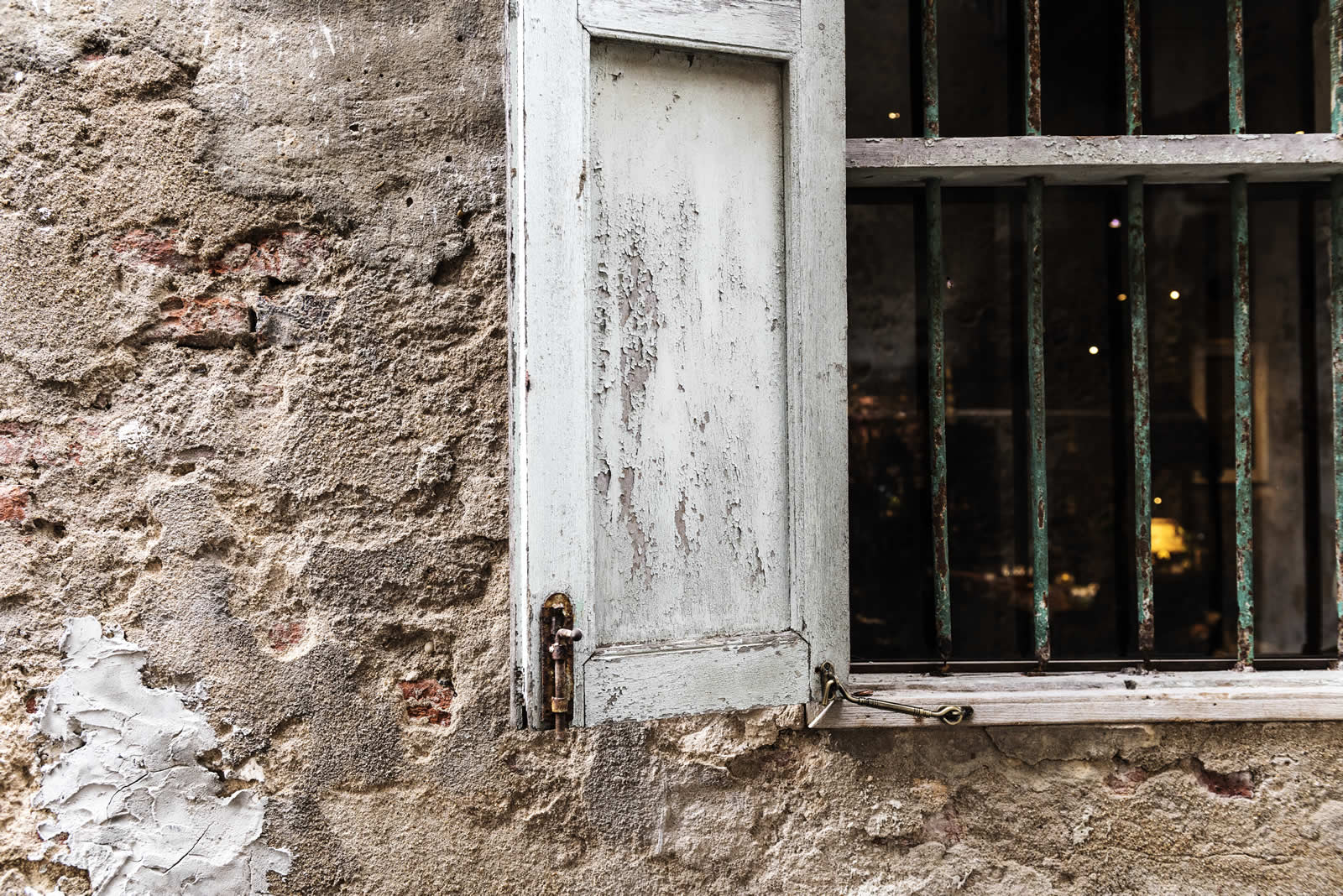
Timber windows can last well when they are maintained, but they are more vulnerable to moisture if paint or protective coatings break down. Common problems include soft timber, peeling paint, swelling, sticking, draughts and decay around the lower sections of the frame.
Not every timber window problem means the window is beyond repair. Small areas of damage may be repairable, and glass units can often be replaced if the frame is still solid. However, rotten timber should not be ignored because it can affect both the strength and weather resistance of the window.
Regular painting, sealing and checking for water damage can help timber windows last longer.
When uPVC Windows Start to Fail
uPVC windows are low maintenance, but they are not maintenance-free. Over time, gaskets can flatten, hinges can wear, drainage channels can block and sealed glass units can fail. Older uPVC frames may also become discoloured or lose some rigidity.
If water is appearing inside the frame or on the sill, blocked drainage may be part of the problem. uPVC windows are designed with drainage channels to let water escape. When these become blocked with dirt or debris, water can sit where it should not.
A simple inspection can often identify whether the problem is the glass, the seals, the hardware, the drainage or the frame itself.
Can Failed Windows Affect Energy Efficiency?
Yes. When a double glazed unit fails, it no longer performs as well as it should. The insulating gap between the panes is compromised, which can allow more heat to escape and make the room less comfortable.
Draughty windows can also make heating less effective. Even a small gap around a sash or worn seal can allow cold air in and warm air out. This can make certain rooms feel noticeably colder, especially during winter.
Repairing failed units, replacing worn seals and fixing closing issues can help restore comfort and reduce unnecessary heat loss.
Can You Prevent Window Failure?
You cannot stop windows ageing, but you can reduce avoidable damage. Keep frames clean, check drainage channels, avoid using pressure washers too close to window seals, and deal with small issues before they become larger ones.
It is also worth checking windows after storms, building work or accidental impact. A small crack or damaged seal may not look urgent, but it can allow moisture into areas where it should not be.
For timber windows, keeping paintwork and sealant in good condition is especially important. For uPVC and aluminium windows, keeping moving parts clean and lightly lubricated can help handles, hinges and locks work properly.
Repair or Replace: Which Is Best?
The best option depends on what has failed. If the sealed glass unit has misted but the frame is still sound, replacing the glass may be enough. If the hinges, handles or locks are worn, replacing the hardware may solve the issue. If the frame is badly damaged, distorted or rotten, full replacement may be more suitable.
A professional inspection is the safest way to decide. The aim should be to fix the actual problem, not just improve the appearance for a short time. Good glazing work should restore security, weather protection and everyday use.
How S&T Glazing Can Help
S&T Glazing helps homeowners, businesses, landlords and trade customers with practical glass and glazing repairs across West Yorkshire. We can inspect failed double glazed units, misted glass, broken panes, worn handles, faulty hinges, damaged locks and general glazing issues.
Where possible, we will look at repairing or replacing the affected part rather than assuming the whole window needs to be changed. This can include replacement sealed units, glass cut to size, double glazing repairs, emergency glazing, shop front glass, splashbacks and commercial glazing work.
FAQs
Why has my double glazing gone cloudy?
Double glazing usually becomes cloudy when the sealed unit has failed. Moisture enters the gap between the two panes of glass and becomes trapped inside. Because the condensation is inside the unit, it cannot be cleaned away from either side of the window.
The usual fix is to replace the failed sealed glass unit. If the frame is still in good condition, the full window may not need to be replaced.
Can misted double glazing be repaired?
In many cases, misted double glazing can be dealt with by replacing the failed glass unit. This means the old sealed unit is removed and a new one is fitted into the existing frame.
Whether this is suitable depends on the condition of the frame, beads, seals and opening mechanism. If the frame is damaged or distorted, further work may be needed.
Why are my windows draughty?
Draughts can be caused by worn seals, dropped hinges, poor alignment, damaged frames or a window sash that no longer closes tightly. Even a small gap can make a room feel colder.
A glazier can check whether the window needs adjustment, new hinges, replacement seals or other repair work. In many cases, draught issues can be improved without replacing the whole window.
Do broken handles and hinges mean I need new windows?
Not usually. Handles, hinges and locks are separate parts and can often be replaced. If the frame and glass are still in good condition, hardware replacement may be all that is needed.
Leaving faulty hardware can cause further problems because the window may not close securely. It is better to deal with stiff, loose or broken parts early.
When should I replace the whole window?
Full window replacement may be needed if the frame is rotten, warped, badly cracked, insecure or no longer able to hold the glass properly. Severe water damage or repeated failures can also make replacement the better option.
If only the glass or hardware has failed, repair may still be possible. A proper inspection will help confirm the most sensible approach.